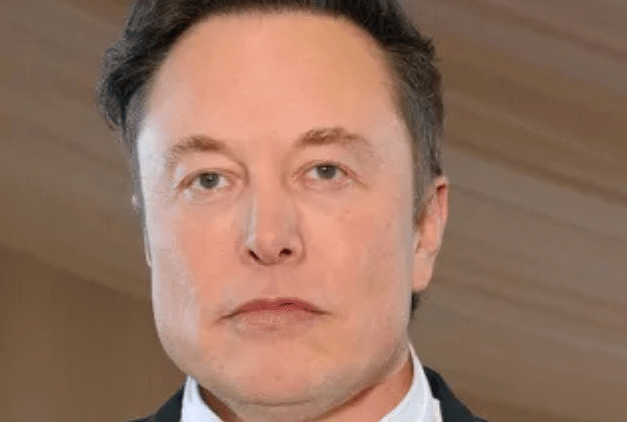

Meta and YouTube are changing their tune on paid advertising for a new documentary about Elon Musk after initially keeping the promotional campaign off their platforms. The Musk documentary ads became a flashpoint after multiple major social networks reportedly rejected the film’s trailer as political content, raising questions about how platforms classify documentaries involving some of the world’s most politically connected public figures.
Now, two of those platforms say the ads can run after all.
Director Alex Gibney’s upcoming documentary “Musk” takes a sprawling look at Musk’s career, personal life and political connections. The film is scheduled for a U.S. theatrical release in October after premiering at the Venice International Film Festival.
Before audiences could see it in theaters, however, distributor Bleecker Street reportedly ran into trouble simply trying to advertise it.
The Hollywood Reporter initially reported that Meta, YouTube, TikTok and X would not run paid ads promoting the trailer. Meta, TikTok and YouTube reportedly classified the promotion as political content, a category that can trigger additional restrictions or outright advertising bans depending on the platform.
Then came the reversal.
After TechCrunch contacted Meta about the rejection, a company spokesperson acknowledged that the restriction should not have happened.
“This was an error, and the ads are being restored.”
That puts the trailer back in play across Meta’s massive advertising ecosystem, including Facebook and Instagram.
YouTube also reversed course. The company stressed that viewers had never been prevented from watching the actual trailer on its platform. Instead, the problem involved using that trailer as paid advertising.
“The trailer has always been available on YouTube.”
YouTube then explained what happened when the promotional campaign entered its advertising system.
“When submitted as an ad, it was temporarily restricted by our system. Following review, the ad has been cleared to run.”
So, after a wave of headlines about major platforms refusing the campaign, two of the biggest names on that list have now effectively said: never mind.
TikTok and X are a different story.
TikTok has maintained restrictions on political advertising, and the latest reporting has not indicated that it has joined Meta and YouTube in clearing the “Musk” campaign.
X presents an especially unusual situation because Musk owns the social media platform that was reportedly approached to advertise a documentary about him. Musk has already made his opinion of Gibney publicly clear, writing, “Dogs**t is worth more respect than Gibney.”
Bleecker Street reportedly appealed the original advertising rejections.
The dispute also highlights an increasingly complicated question for platforms trying to enforce political advertising policies. A documentary about a businessman could be entertainment. A documentary examining that businessman’s political relationships could potentially trigger political-content systems. Musk’s relationship with Donald Trump adds another layer to those classification decisions.
Gibney is no stranger to documentaries centered on powerful and controversial figures and institutions. His previous projects include “Going Clear,” which examined the Church of Scientology, “The Inventor,” about Elizabeth Holmes and Theranos, and a documentary about Apple co-founder Steve Jobs.
“Musk” reportedly stretches close to four hours and examines Musk’s technology career, political connections, and private life. Interview subjects include Musk’s ex-wife Justine Musk and Ashley St. Clair, who has a child with Musk and has described him as “a nuke.”
Vulture critic Bilge Ebiri described the documentary as a “fascinating” character study while pointing to the larger story Gibney attempts to tell.
“As a tale of modern business, it’s revealing. And as a warning about our future, it’s terrifying.”
The movie has also faced questions beyond social media advertising. The Hollywood Reporter previously reported that Universal Pictures was reconsidering aspects of its international distribution plans. Universal later said it would release the documentary theatrically while continuing to determine its broader release strategy.
For now, the advertising fight has shifted.
What started as a story about major platforms collectively rejecting promotion for a documentary about one of the most powerful figures in tech is no longer quite so collective. Meta says its rejection was an error. YouTube says its restriction was temporary and disappeared after review.
TikTok and X, meanwhile, have yet to make the same move.
And with the documentary heading toward theaters, the fight over who will advertise “Musk” has managed to generate a publicity story of its own.