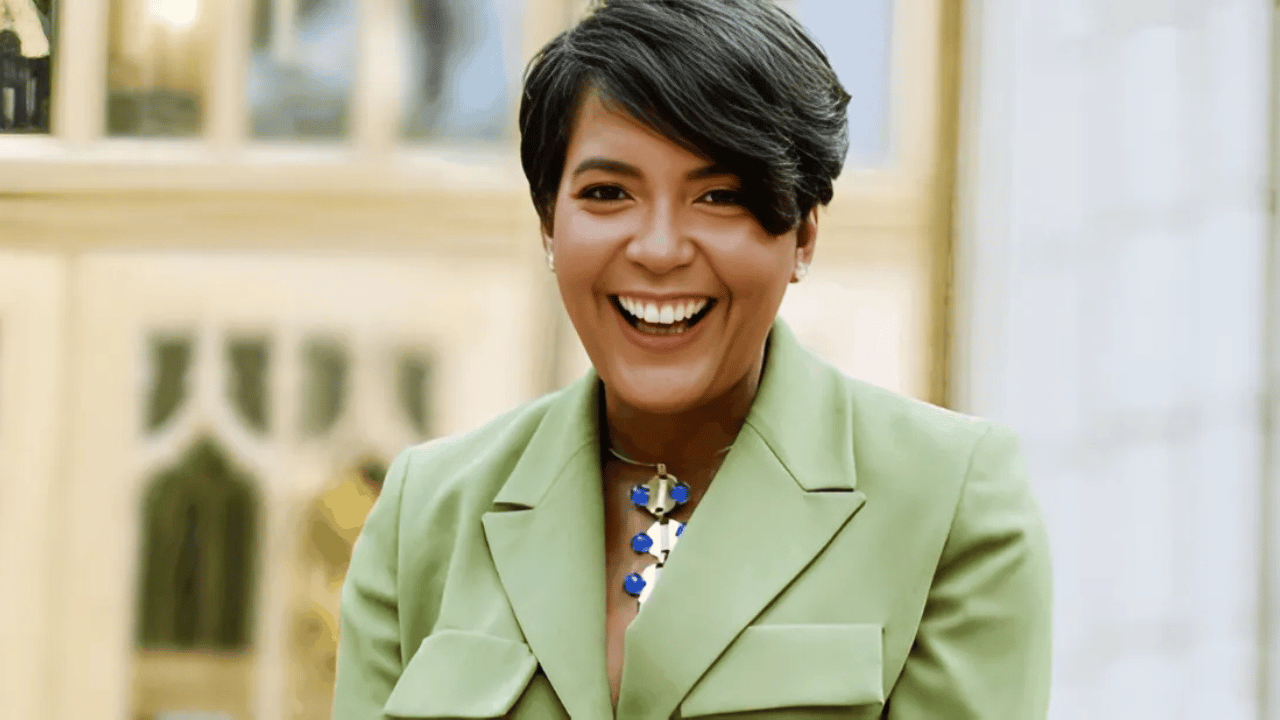
Keisha Lance Bottoms is fighting one of Georgia’s closest statewide races while facing an advertising imbalance that has allowed Republican Rick Jackson and his allies to dominate television screens across the state.
According to The Atlanta Journal-Constitution, an AdImpact analysis found that groups supporting Jackson had spent or reserved nearly $76 million in general election airtime by mid-September. Bottoms and her allies were at roughly $8 million. The spending difference has become a major factor surrounding the Georgia governor race as voters prepare for the November 3 election.
Jackson’s overall spending goes even further. According to an earlier Atlanta Journal-Constitution analysis, the billionaire health care executive had already spent more than $108 million during his campaign by July, including more than $83 million on television and cable advertising.
The advertising advantage comes as Bottoms and Jackson remain separated by only a small margin in recent polling. A September YouGov survey showed Jackson at 45 percent and Bottoms at 44 percent among registered voters, with 9 percent undecided. Other September surveys have also shown a close contest, according to polling compiled by RealClearPolling.
The barrage has included negative advertising focused on Bottoms’ record as Atlanta mayor. In an interview with Capital B Atlanta, South Fulton nurse Joanne Winston said she had noticed how frequently those messages appeared, including ads featuring Black Georgians criticizing Bottoms.
“It makes it worse that the ads have Black people talking about her,” Winston said. “This is the gentleman they’re saying is backing Trump. … I would [vote for] Keisha Lance Bottoms. I’m not a supporter of Trump.”
The financial disparity extends beyond Bottoms’ campaign. Democratic National Committee member Maria Banjo said several Black women running for statewide office in Georgia have struggled to secure enough money for basic campaign materials and voter outreach.
“We don’t even have literature from these Black women candidates because they can’t afford hand cards to put on doors,” Banjo said.
Georgia Democrats nominated Black women for several statewide offices this election cycle, including attorney general, secretary of state, agriculture commissioner, insurance commissioner, labor commissioner and state school superintendent. Banjo argued that previous statewide defeats involving prominent Black women have affected how some donors view future investments.
“We have several Black women candidates who are extremely qualified, put forth the effort, the hours to call people and ask for donations, and the money is just not coming in,” Banjo said. “People, honestly, at this point don’t believe Black women can get over the line. And that’s a real issue. It’s kind of like a chicken and an egg. Which one comes first? They certainly can’t win without resources.”
Democratic strategist Fred Hicks offered an even sharper assessment of the funding situation. Speaking with Capital B Atlanta, Hicks argued that national Democratic organizations and major donors have not invested enough in Bottoms and other Black women campaigning in competitive Southern races.
“It feels like the Democratic Party is ready and is trying to move on from Black people, especially Black women,” Hicks said. “There is mounting pressure within the state on the national party to invest in Georgia. They are hearing from people that this is not OK.”
Bottoms has publicly acknowledged that she cannot match Jackson dollar for dollar. Instead, her campaign has leaned heavily on appearances, interviews and campaign events to reach voters outside traditional paid advertising.
During a September 28 interview with The Breakfast Club, Bottoms accused Jackson of relying on his financial advantage while limiting direct confrontations with her.
“He wants to hide behind his money,” Bottoms said of Jackson.
“The one interaction we did have, he was shaking in his boots,” she added.
The comment referenced an August confrontation after Jackson’s campaign aired an ad involving Bottoms’ husband and a city credit card used for expenses connected to a 2018 Super Bowl trip. Bottoms has described the charges as an “error” and said her family reimbursed the city after she became aware of the mistake.
Bottoms had already framed Jackson’s wealth as a central challenge months earlier. Speaking to supporters at The Gathering Spot in June, she said her campaign understood from the beginning that it would be outspent.
“He’s a gazillionaire,” Bottoms said. “We’ve always been used to doing a lot with a little, so I’m not worried about it. I said to my family today, ‘Y’all might as well turn off the TV. Like, don’t even look because we know that the one flaw is coming.’”
The candidates have also clashed over debates. Georgia Public Broadcasting reported that Jackson formally declined the Atlanta Press Club’s October 12 gubernatorial debate invitation. Both candidates, however, have agreed to participate in an October 6 town hall-style event hosted by Atlanta News First. Bottoms has pushed for additional debates while Jackson’s campaign has defended its decision to participate in fewer events.
Bottoms’ campaign responded to Jackson’s debate strategy with another attack on his record and spending.
“Slick Rick Jackson can hide from the debate stage and spend millions to distract from his record of enriching himself on the backs of Georgians, but voters know that the only candidate in this race focused on bringing down costs, expanding access to affordable health care, and standing up to Donald Trump’s cost-raising agenda is Keisha Lance Bottoms,” a campaign spokesperson said via email to Capital B Atlanta.
Jackson’s campaign has rejected the argument that he is avoiding voters. According to GPB, his campaign has said it is focused on direct voter outreach, and Jackson has committed to the October 6 event with Bottoms.
The financial contrast nevertheless remains difficult to ignore. Jackson entered the general election after pouring more than $100 million into his campaign, while the AdImpact figures reported by the Atlanta Journal-Constitution show his side holding a massive advantage in general election airtime. At the same time, September polling continues to show a Georgia governor race in which a relatively small number of undecided voters could matter.
With Election Day approaching, Bottoms is attempting to close that communication gap through interviews, appearances, and direct campaigning while Jackson and his allies continue operating with a far larger advertising footprint.