When it comes to the future direction of the global economy there is a bit of a tug of war going on.
There are starkly opposing forces. On the one hand holding back growth are the familiar, recurring crises from the energy shock, trade conflict and actual war. This is reflected most clearly in the sharply rising interest rate costs for the world’s advanced economies.
Pulling in the other direction is the boost from massive spending on AI, and the frankly astonishing resilience shown especially by smaller economies, as new routes for trade, including for oil and gas, have been established out of necessity.
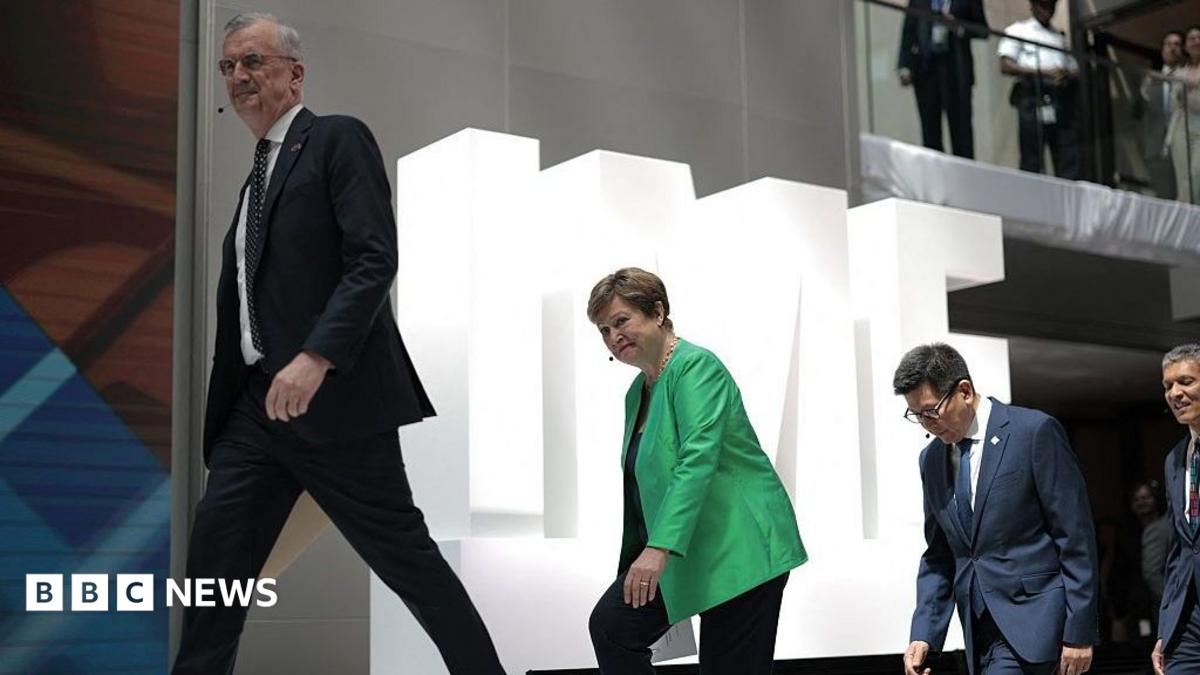
At the IMF meetings in Bangkok this week these themes came up again and again, including among those at the very top table. But not even they know which way things are going to go.
In the meantime it’s a sportsman’s bet where the roving eye of the bond markets will focus next. Currently they seem to be looking at the US and France.
However, the French finance minister, Roland Lescure, has been telling the world he has had no problem selling debt, though it was more expensive, and that his Budget would be fine. He also suggested he had helped save the G7 group of advanced nations, which was at risk of collapsing a year ago amid Donald Trump-inspired tensions.
In some ways it is a miracle there has not been a global recession, or a debt crisis in a major emerging economy. Indeed the Thai finance minister was boasting to me of how little his borrowing costs had gone up, especially in relation to the US.
Another surprise is the UK being taken off the bond markets’ naughty step, and instead being named model pupil by the IMF. The IMF has taken the government’s Budget plans at face value and on trust. The reality is that the rest of the G7 lack even this. And beauty is relative, especially when it comes to borrowing.
And this moment gave Chancellor John Healey the chance of a hearing, to highlight that the UK’s actual growth data has continued to outperform expectations and so far in 2026 can now be described as strong. Healey told me that he saw the figures as the first sign that AI and tech investment was starting to increase UK economic growth. The bond financiers milling around the IMF meetings seem to be taking another look at the UK after years of crisis.