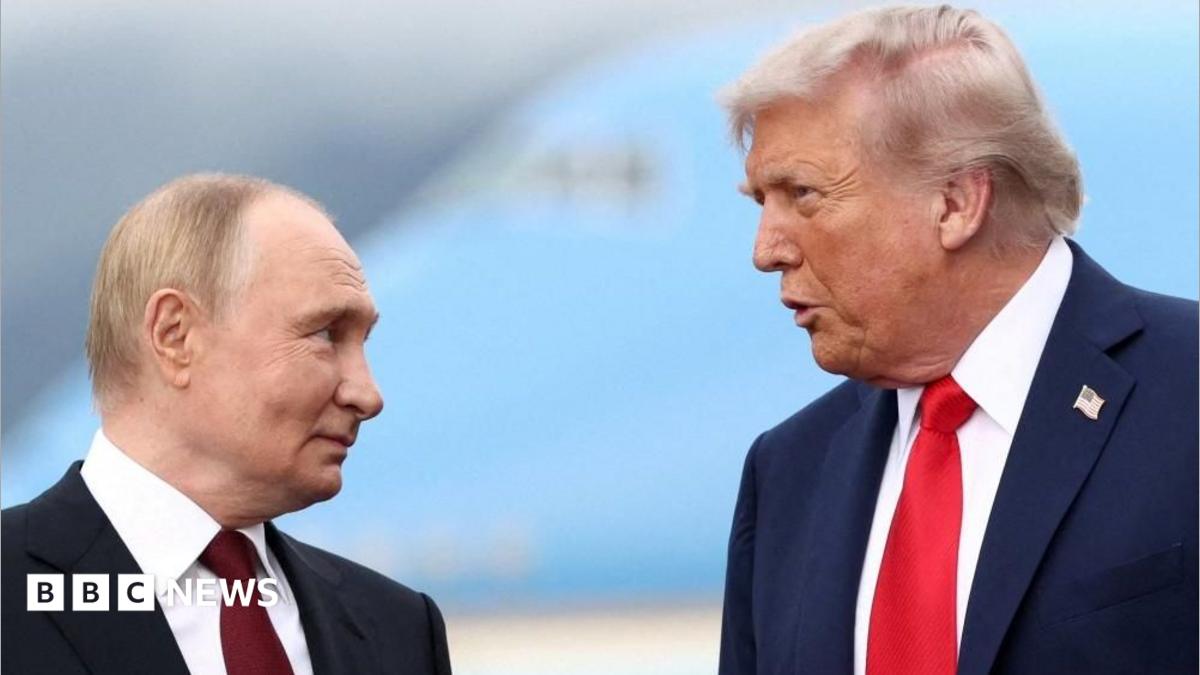
On 9 October, Trump announced that he had held a phone call with Putin, and had agreed to purchase diesel from Moscow. Since the war with Iran started in February, US fuel and especially diesel prices have skyrocketed, adding to the financial pressure faced by American voters already worried about the cost of living. Trump hopes to bring fuel costs down before next month’s mid-term elections.
US allies criticised the diesel deal, anxious that it could help Russia in its war effort.
Next month hundreds of troops from Britain, France and Germany – key European allies of Ukraine – will take part in a major military exercise in Poland.
UK Defence Secretary Wes Streeting said the drill was “to ensure we are ready to support the military training and post-war rebuilding that Ukraine will need”.
Ukrainian President Volodymyr Zelensky called Trump’s diesel deal a gift to Putin that amounts to “an investment in a war that must be ended”.
On Sunday, 11 October, Trump claimed that Russia and Ukraine had agreed to an “energy ceasefire”, insisting that it was “effective immediately” but provided no details.
Zelensky expressed surprise at the announcement, but said Kyiv would stop the strikes if Russia did the same, but Moscow said it had never agreed to the deal and continued its attacks. After three days, Kyiv resumed its strikes.
This prompted scathing criticism from Trump, with the president calling Kyiv’s strikes on Russian oil refineries a “disgrace”. Zelensky responded, saying he was “only standing up for Ukraine’s interests”.
Tensions were further heightened earlier in the week, when restrictions were placed on the US-owned Starlink internet network, which is critical for Kyiv’s military abilities to defend itself.
During a slowdown on Tuesday night, Russia launched several deadly strikes on Ukraine, with residents and the government saying there was no prior warning.
On Friday, Zelensky called the slowdown a “very dangerous and unpleasant surprise”, adding that Starlink speeds were still not fully restored.
The Trump administration had previously warned that it could withhold intelligence-sharing – crucial for Ukraine’s defences – if Kyiv does not stop hitting Russia’s oil refineries.
Additional reporting by Helen Sullivan