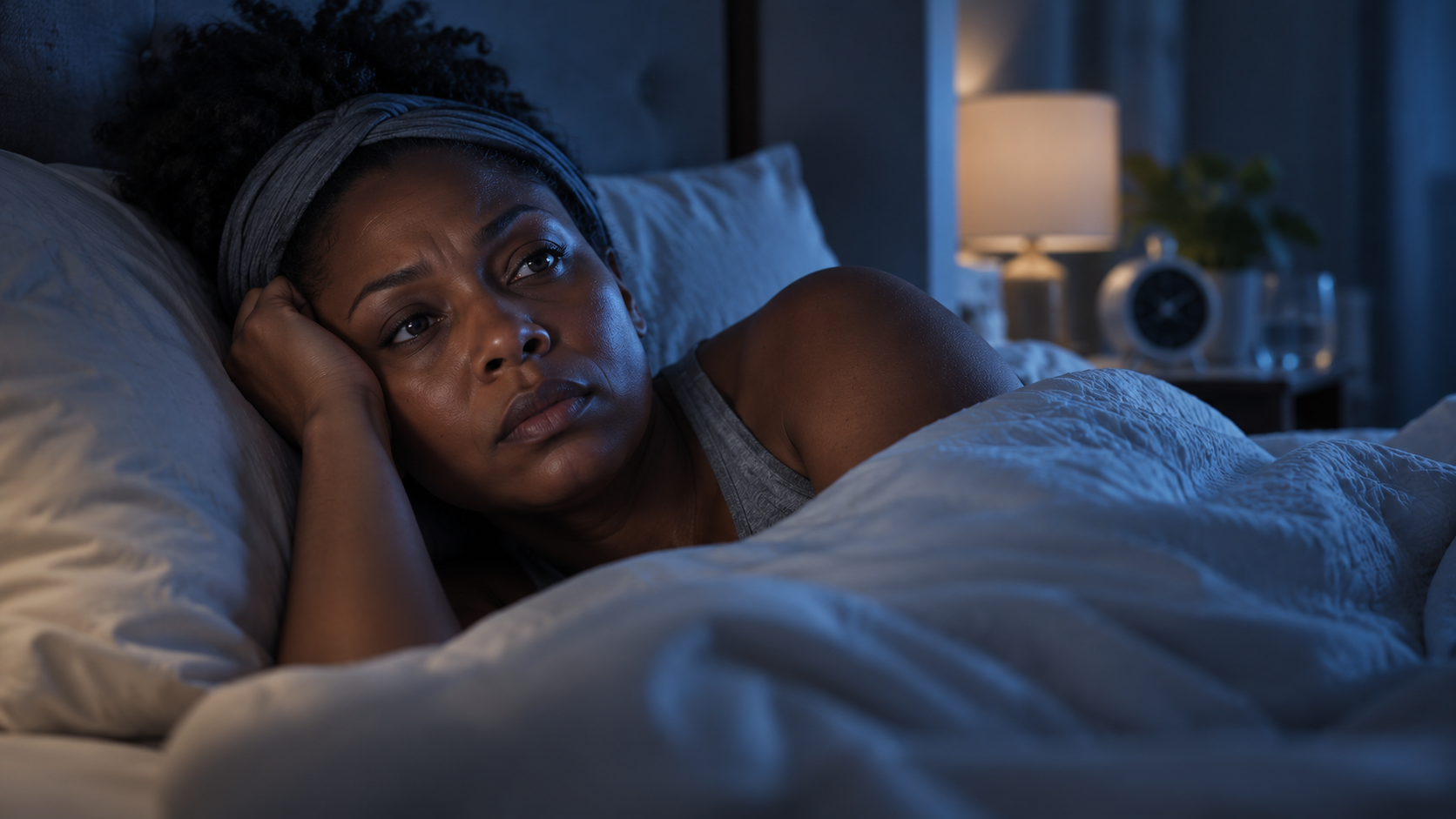
Black women may be living with a serious sleep disorder without realizing it, and new research suggests that the healthcare system is not always recognizing the warning signs. From constant exhaustion to morning headaches and difficulty sleeping, symptoms that are easily mistaken for everyday stress could actually point to obstructive sleep apnea, a condition linked to heart disease, high blood pressure, and stroke.
A 2026 systematic review published in the International Journal of Environmental Research and Public Health examined 18 studies involving 51,489 patients and found significant racial and ethnic disparities in sleep apnea diagnosis and treatment. Researchers concluded that minority populations face higher levels of underdiagnosis and undertreatment, with healthcare access, socioeconomic conditions, and other factors contributing to the problem.
For Black women, the findings raise important questions about whether their symptoms are being recognized early enough.
Obstructive sleep apnea occurs when the muscles in the throat relax during sleep, causing the upper airway to become partially or completely blocked. These interruptions can happen repeatedly throughout the night, reducing oxygen levels and disrupting restorative sleep.
While loud snoring and gasping for air are commonly associated with the condition, those symptoms do not tell the entire story.
According to the National Heart, Lung, and Blood Institute (NHLBI), women with sleep apnea may experience symptoms that differ from those commonly reported by men. These include insomnia, anxiety, depression, morning headaches, fatigue, and frequent nighttime awakenings.
Because these complaints can overlap with other medical conditions, recognizing sleep apnea may be more complicated for women who do not fit the traditional image of someone with the disorder.
Research involving Black women suggests the problem deserves particular attention.
A 2020 study published in Sleep Medicine examined sleep apnea among residents of predominantly African American, lower-income Pittsburgh neighborhoods. Of the 828 participants, only 18% reported previously receiving a physician diagnosis of obstructive sleep apnea.
However, researchers estimated that the condition affected approximately 33.8% to 45.7% of the study population, depending on the diagnostic criteria used.
Although those estimates do not represent all Black women nationwide, the difference between reported diagnoses and estimated prevalence suggests that a substantial number of cases may go unrecognized.
Additional research has raised questions about how sleep apnea manifests in Black women.
A 2025 study published in the Annals of the American Thoracic Society evaluated 821 adults ages 50 and older, including 174 Black participants. Researchers found that Black women had the highest frequency of breathing disturbances during rapid eye movement, or REM, sleep among the groups studied.
REM sleep is the stage associated with vivid dreaming and important processes involving memory and emotional regulation.
The researchers also found that Black participants experienced more breathing disturbances during REM sleep than non-Hispanic White participants, even after accounting for several health and demographic factors.
These findings suggest that sleep apnea assessments focusing primarily on overall breathing disturbances may overlook meaningful differences occurring during specific sleep stages.
Another study, published in October 2026 in the Journal of Racial and Ethnic Health Disparities, examined medical records from a large urban public hospital.
It found that White patients had higher overall odds of receiving a sleep apnea diagnosis than Black patients, while women had lower odds than men. However, when researchers compared women specifically, Black women had higher odds of receiving a diagnosis than non-Black women.
The findings demonstrate that the relationship between race, gender, and sleep apnea diagnosis is complex. Lower diagnosis rates in one population do not necessarily mean that the condition is less common.
The consequences of untreated sleep apnea extend beyond feeling tired during the day.
The NHLBI identifies sleep apnea as a potential contributor to high blood pressure, diabetes, heart disease, and stroke. Repeated breathing interruptions can place additional strain on the cardiovascular system, particularly when the condition remains untreated.
That concern is especially relevant because Black Americans already experience disproportionate burdens of hypertension and certain cardiovascular conditions.
Sleep apnea can also become more common during important stages of a woman’s life.
The NHLBI reports that hormonal changes during pregnancy and menopause may increase the risk of developing the disorder. Women with polycystic ovary syndrome, commonly known as PCOS, may also face greater risk.
During menopause, symptoms such as fatigue, insomnia, and headaches can overlap with sleep apnea, potentially making the condition harder to identify.
Researchers have also questioned whether standard medical screening tools adequately account for racial and gender differences.
A 2025 review published in the journal Sleep highlighted concerns that some sleep apnea screening and diagnostic approaches were developed using populations that did not adequately represent Black patients.
The review also discussed how pulse oximeters, which measure oxygen saturation, may perform differently in people with darker skin pigmentation. These differences could potentially affect the assessment of breathing disturbances.
For women experiencing persistent exhaustion, unexplained headaches, nighttime choking, or frequent awakenings, doctors may recommend a sleep study.
Testing can take place at home or inside a sleep laboratory. The American Academy of Sleep Medicine recommends additional laboratory testing when an initial home test is negative or inconclusive but clinical concern remains.
Fortunately, sleep apnea is treatable.
Continuous positive airway pressure, commonly called CPAP, is a widely used treatment that delivers pressurized air through a mask to help keep the airway open during sleep.
Other options may include customized oral appliances, sleeping-position changes, and addressing contributing health conditions. Treatment depends on the severity of the disorder and individual medical needs.
For Black women, the growing body of research points to a broader concern about whose symptoms are recognized, whose experiences shape medical guidelines, and who receives timely care.
Persistent exhaustion should not automatically be dismissed as the unavoidable consequence of a demanding lifestyle. When poor sleep becomes a regular occurrence, identifying the cause can make a meaningful difference.