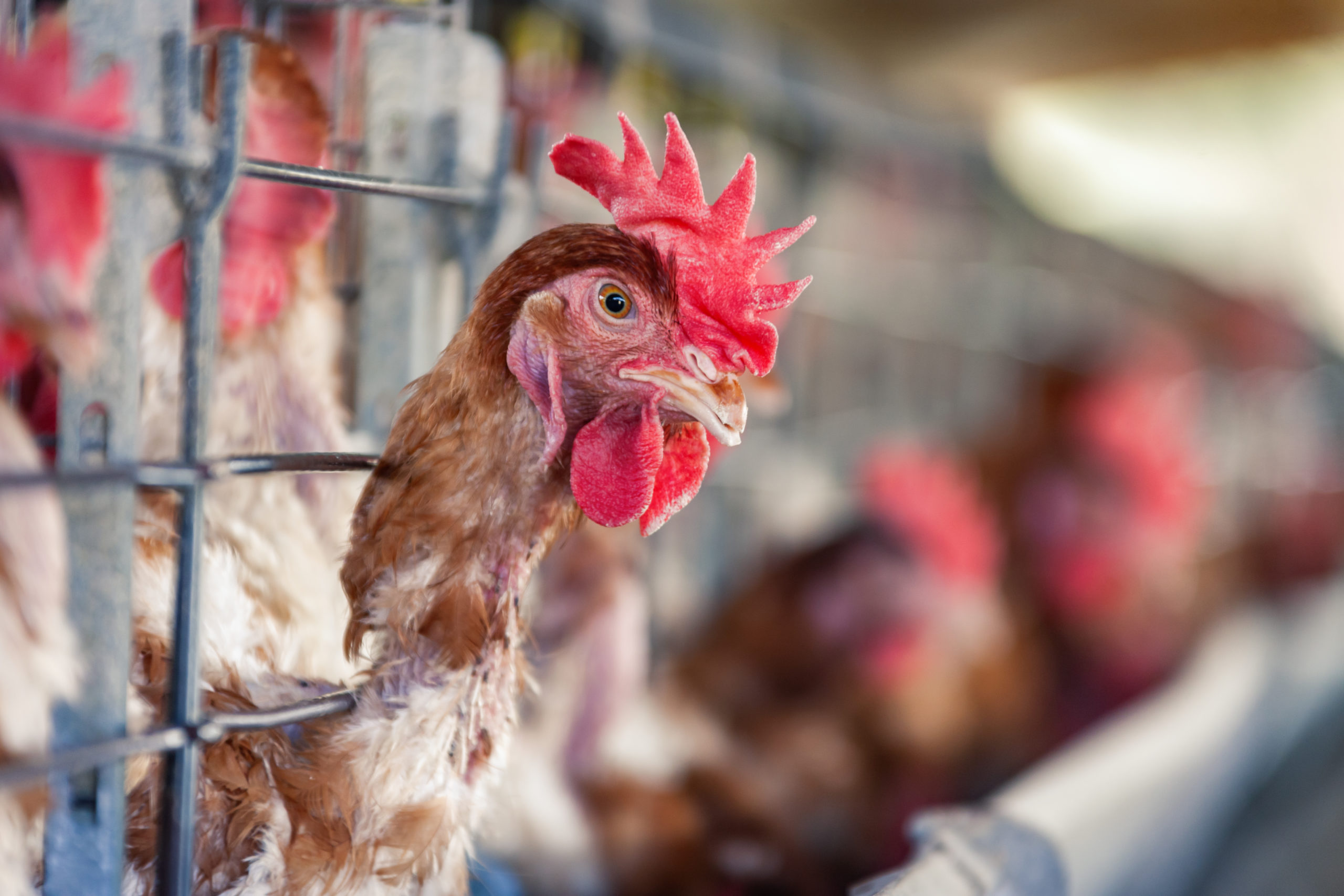
Nearly 1 million chickens have been killed at an Illinois egg farm after a highly contagious bird flu virus was detected, marking the largest active poultry outbreak in the United States.
According to the U.S. Department of Agriculture, the bird flu outbreak affected 934,600 egg-laying chickens at a commercial facility in Clinton County, Illinois. Federal records show the infection was confirmed on October 19, 2026.
Local officials in Germantown identified the affected property as a Rose Acre Farms operation located outside the village.
The loss represents a significant setback for one of America’s biggest egg suppliers. According to the Rose Acre Farms website, the family-owned company is the second-largest egg producer in the United States, operating facilities nationwide and supplying major retailers, restaurants, and food manufacturers.
The USDA confirmed that the affected flock tested positive for highly pathogenic avian influenza, commonly known as HPAI, a dangerous form of bird flu capable of rapidly killing domestic poultry.
“The U.S. Department of Agriculture (USDA) Animal and Plant Health Inspection Service (APHIS) [have] confirmed the detection of highly pathogenic avian influenza (HPAI) in Commercial Table Egg Layer,” the agency stated, according to PEOPLE.
Unlike illnesses that can be managed through medication, highly pathogenic bird flu has no available treatment for infected poultry. According to USDA disease control guidelines, entire affected flocks are typically destroyed to prevent the virus from spreading to surrounding farms.
That means chickens that have not yet developed symptoms can also be killed if they belong to an exposed flock. The federal government describes this process as depopulation, a disease containment measure used during serious poultry outbreaks.
The latest bird flu outbreak involves the H5N1 strain, which has continued spreading among wildlife, commercial poultry, and other animals.
According to the USDA, H5N1 “is present in wild birds worldwide and is causing outbreaks in U.S. domestic birds and dairy cattle.”
The federal agency also warns that “many other species are also susceptible to this virus,” demonstrating how the infection can extend beyond chicken farms.
In its broader explanation of avian influenza, the USDA describes the disease as “a major threat to the poultry industry, animal health, trade and the economy worldwide.”
Highly pathogenic strains can devastate poultry operations within days. According to the USDA, birds may experience sudden death, reduced appetite, respiratory problems, and decreased egg production. Some infected chickens die before showing noticeable symptoms.
Other forms of avian influenza are considered less severe. Low pathogenicity strains often cause mild illness or no visible symptoms, although the USDA warns that certain strains can become highly pathogenic after spreading through poultry populations.
Federal agricultural officials say migratory wild birds remain an important source of transmission. Their movements can introduce the virus into new areas, particularly during fall and spring migration seasons.
The USDA recommends strict farm safety practices, including limiting contact between domestic poultry and wild birds, controlling access to facilities, and disinfecting equipment that could carry the virus between locations.
The Illinois outbreak also raises concerns about egg availability. Losing nearly 935,000 egg-laying hens removes a substantial number of productive birds from one commercial operation.
Replacing those hens takes time, potentially affecting production while farms complete cleaning, disinfection, and other recovery requirements. However, federal officials have not established how much this particular outbreak will affect nationwide egg prices.
According to the USDA, its broader response includes financial assistance for affected poultry producers, stronger biosecurity measures, and research into vaccines and other strategies that could reduce future mass killings.
Although the bird flu outbreak is devastating for poultry operations, health officials emphasize that the risk to the general public remains low.
The Centers for Disease Control and Prevention reported 72 human H5 bird flu cases in the United States since February 2024, as of its October 15, 2026 update. Most infections have involved people with known exposure to infected animals or contaminated environments.
The CDC has found no known ongoing person-to-person transmission of H5 bird flu in the United States.
Human symptoms can include red or irritated eyes, fever, coughing, sore throat, nasal congestion, headaches, body aches, and fatigue. While many reported infections have been mild, serious illness and deaths have occurred.
For consumers, the CDC says properly handled and fully cooked poultry and eggs remain safe to eat. Cooking poultry and eggs to an internal temperature of 165 degrees Fahrenheit kills avian influenza viruses.
People who work directly with livestock or poultry face greater exposure risks and are advised to use protective equipment and avoid unprotected contact with sick or dead animals.