The US has warned its citizens against travelling to Kenya, while neighbouring countries such as Uganda, Ethiopia and Somalia are also on alert.
Ebola is a rare but deadly disease, external caused by a virus. As the disease progresses, vomiting and diarrhoea develop and it can lead to organ failure. Some, but not all, patients develop internal and external bleeding.
The disease spreads from one person to another by contact with infected bodily fluids such as blood or vomit.
The Bundibugyo species of Ebola is relatively rare, with no approved vaccine or treatment – though trials are under way.
With more than 9,500 cases in DR Congo, Kenya faces a steady risk of new cases arriving across borders, according to the International Rescue Committee, which has been working alongside both governments to contain the spread.
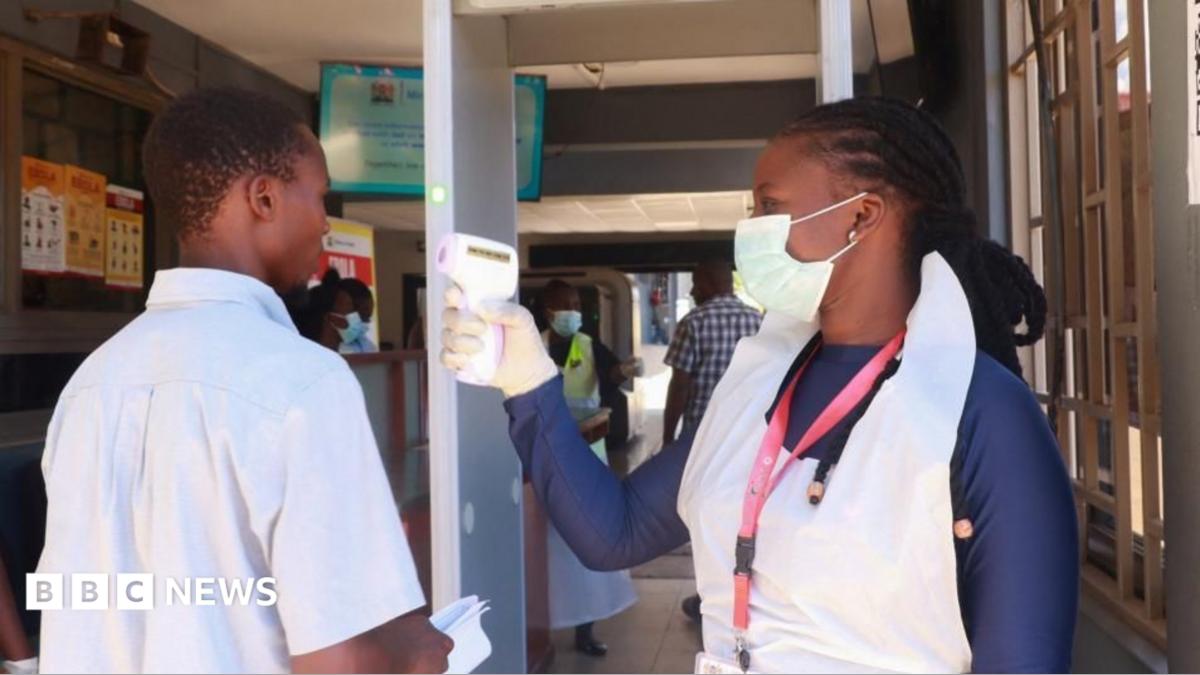
Kenya has introduced enhanced screening for travellers arriving from DR Congo and nine other countries it considers to be at high risk: Uganda, Tanzania, Rwanda, Burundi, Angola, Zambia, Ethiopia, South Sudan and the Central African Republic.
Travellers arriving from those countries are required to complete a digital surveillance form before boarding their flights, and to present a QR code to port health officials on arrival.
Kenya also ordered enhanced public health screening of aircraft arriving from those countries, as authorities seek to prevent further imported cases.
Within the country, the government has been sharing public messages to create awareness about Ebola, including encouraging people to promptly report any suspected cases and seek care at a hospital.
It has also focused on hygiene and safety measures, such as washing hands and avoiding close contact with sick people.